There have been many great names in camera history: Kodak (1888), Leica (1913), Olympus (1919), Rolleiflex (1928), Minolta (1933), Fuji (1934), Canon (1936), Argus (1939), Hasselblad and Nikon (1948), Contax (1949), Pentax (1952), Yashica (1953) and much later, Sony (1996) but more significantly in 2006 when they acquired Konica Minolta and rebranded it to Sony. Sony also has a majority share in the Olympus Medical Solutions Inc., a joint venture to develop new surgical endoscopes with 4K resolution (or higher) and 3D capability. There are also rumors that some of Sony's lenses are rebranded Olympus lenses.
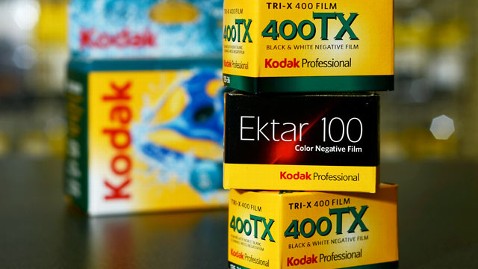

In 1913 Ernst Leitz developed a prototype of a camera that used 35mm film, and the photographic world was changed forever. Rolleiflex developed the first practical reflex camera. Minolta (Mechanism, Instruments, Optics, and Lenses by Tashima ) is perhaps best known for making the first integrated autofocus 35mm SLR camera system. Fuji was primarily a film and printing supplies company until it figured out, unlike Kodak, that digital was the wave of the future. Hasselblad is of course the creme de la creme of medium format cameras and was used on all the Apollo missions.
Nikon - with its full line of interchangeable components and accessories is generally regarded as the first Japanese system camera (remember the F series?).
Contax - first pentaprism.
Pentax - the first practical quick-return SLR mirror.
So, what is the Olympus claim to fame?

In 2003 the Four Thirds system standard was created by Olympus and Kodak (and later Panasonic) for digital single-lens reflex camera (DSLR) and mirrorless camera design and development. Unlike older SLR systems, Four Thirds was designed from the ground up to be entirely digital.
Many lenses are extensively computerized, to the point that Olympus offers firmware updates for many of them. Lens design has been tailored to the requirements of digital sensors, most notably through telecentric designs.
The size of the Four Thirds sensor is significantly smaller than for most DSLRs and this implies that lenses, especially telephoto lenses, can be smaller. For example, a Four Thirds lens with a 300 mm focal length would cover about the same angle of view as a 600 mm focal length lens for the 35 mm film standard, and is correspondingly more compact. Thus, the Four Thirds System has crop factor (focal length multiplier) of about 2, and while this enables longer focal length for greater magnification, it doesn't aid the manufacture of wide angle lenses.The image sensor format, generally intermediate between those of larger SLRs and smaller compact cameras, generally gives levels of cost, performance and convenience intermediate between those two classes.
Ergo - one Olympus OM-D E-M10 on order.
Oh, excuse me, I think I hear the doorbell...
Many lenses are extensively computerized, to the point that Olympus offers firmware updates for many of them. Lens design has been tailored to the requirements of digital sensors, most notably through telecentric designs.
The size of the Four Thirds sensor is significantly smaller than for most DSLRs and this implies that lenses, especially telephoto lenses, can be smaller. For example, a Four Thirds lens with a 300 mm focal length would cover about the same angle of view as a 600 mm focal length lens for the 35 mm film standard, and is correspondingly more compact. Thus, the Four Thirds System has crop factor (focal length multiplier) of about 2, and while this enables longer focal length for greater magnification, it doesn't aid the manufacture of wide angle lenses.The image sensor format, generally intermediate between those of larger SLRs and smaller compact cameras, generally gives levels of cost, performance and convenience intermediate between those two classes.
Ergo - one Olympus OM-D E-M10 on order.
Oh, excuse me, I think I hear the doorbell...

No comments:
Post a Comment